

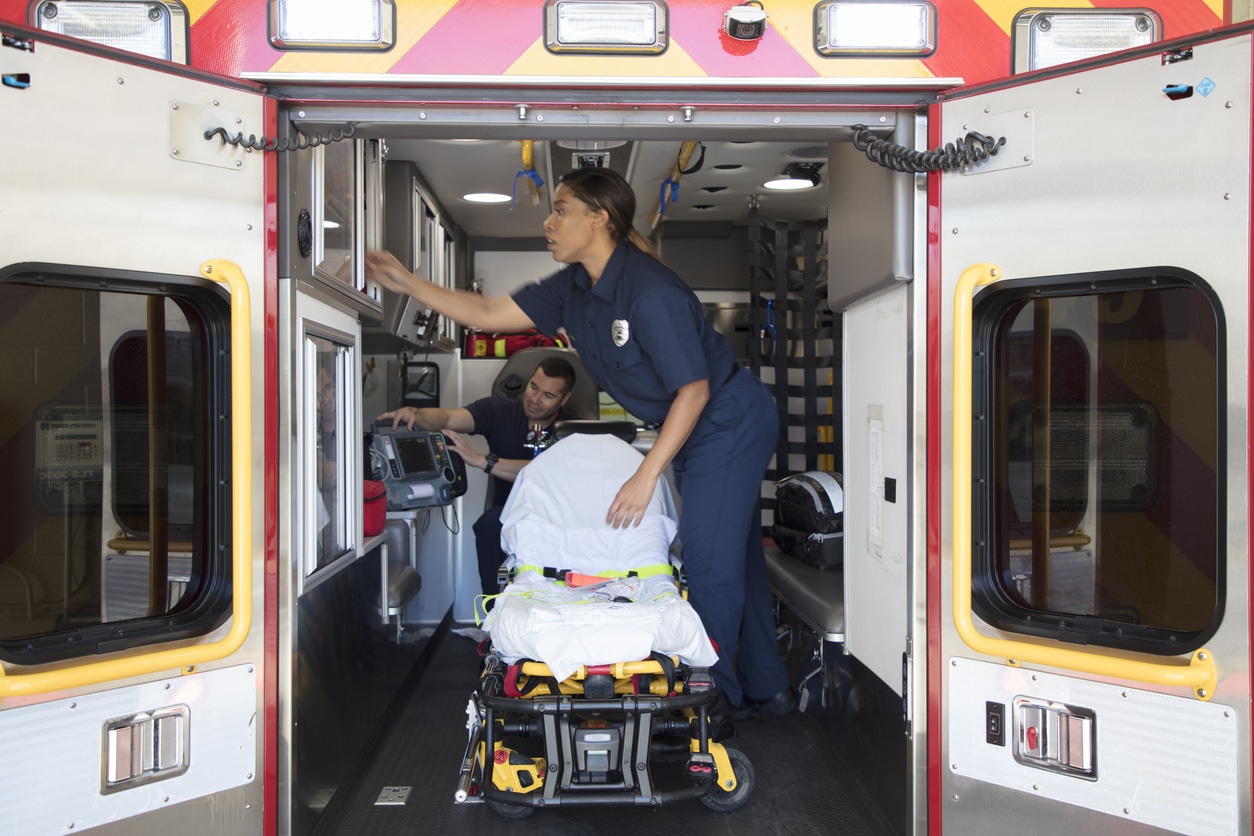
Emergency organizations today operate in complex environments where risk exposures extend well beyond traditional emergency responses. Volunteer responders, nonprofit teams, and community support organizations often participate in training events, disaster response, and public safety initiatives that create unique coverage needs. In many of these situations, special risks insurance provides a flexible solution.
Agents who work with fire departments, EMS organizations, and municipal entities may encounter scenarios where standard policies fall short. Understanding these coverage options helps agents recommend protection that aligns with the realities of emergency response work.
What Is Special Risks Insurance and Who Needs It?
Special risks insurance refers to customized accident and health (A&H) coverage designed for organizations with unique operational exposures. These programs support groups that may not fit neatly within traditional municipal or employer-sponsored insurance structures.
Emergency service organizations that benefit from special risks programs include:
- Volunteer fire departments
- Emergency medical responder teams
- Municipal volunteer response groups
- Nonprofit organizations that support disaster or community response efforts
Volunteer responders play a significant role in emergency services across the United States. According to the National Volunteer Fire Council, volunteers represent a large portion of the nation’s firefighting workforce, particularly in smaller communities. Because many of these individuals serve without full municipal employment benefits, specialized insurance programs can help address potential coverage gaps.
Why Standard Responder Coverage May Leave Gaps
Many emergency organizations rely on traditional insurance structures designed primarily for municipal employees. While those programs provide important protections, they may not address the needs of volunteer responders or nonprofit teams.
Several common limitations appear in standard programs:
- Coverage applies only to municipal employees.
- Volunteer members receive limited benefits.
- Protection may apply only during official duty hours.
These limitations can create challenges for organizations that depend heavily on volunteers. For example, a volunteer firefighter who assists outside their jurisdiction during a regional emergency response may fall outside standard coverage structures.
Community emergency response teams and nonprofit disaster response groups also face unique exposures. Emergency response activities extend beyond fireground operations and often include training, preparedness exercises, and community outreach programs. Each of these activities introduces potential risk.
Key Benefits Agents Should Know About Special Risks Plans
Special risks programs offer flexible accident and health insurance solutions that address the needs of emergency responder groups. These plans typically include several key protections.
- Accident medical expense coverage: Helps pay medical costs after covered injuries
- Accidental death and dismemberment benefits: Provides financial protection after severe accidents
- Coverage during operational activities: Protects members during training, events, and emergency response situations
These benefits help organizations strengthen their overall protection strategies. They can also support recruitment and retention efforts by improving benefit offerings for volunteers who dedicate their time to public safety.
Insurance agents should evaluate the structure of each organization they serve. Departments with high volunteer participation or community-based programs often benefit from additional coverage that supplements municipal insurance plans.
How Agents Can Identify Special Risks Opportunities
Agents can uncover valuable opportunities for special risks programs by asking targeted questions during client conversations:
- Does the organization rely on volunteers or nonprofit support teams?
- Do responders receive coverage outside municipal employment benefits?
- Do training events, community programs, or disaster exercises create exposure?
When agents understand how these programs work, they can recommend solutions that align with the operational realities of emergency response organizations.
Helping Emergency Organizations Strengthen Protection
Emergency organizations rely on dedicated individuals who serve their communities in challenging environments. Standard insurance programs often provide an important foundation, but they may not address every exposure these groups face.
Special risks insurance offers flexible coverage options that support volunteer responders, nonprofit organizations, and specialized emergency teams. Agents who understand these programs can provide stronger guidance and help clients build more complete protection strategies.
FAQ: Special Risks Insurance
What is special risks insurance, and who needs it?
Special risks insurance refers to customized accident and health coverage designed for organizations with unique exposures. Groups that often benefit from this coverage include volunteer fire departments, EMS organizations, nonprofit disaster response teams, and municipal volunteer programs.
Why do emergency organizations need special risks coverage?
Many emergency organizations rely on volunteers or operate outside traditional employment structures. Special risks programs help fill coverage gaps that municipal or employer-sponsored insurance may not address.
How can insurance agents determine if a client needs special risks insurance?
Agents should review how the organization operates. If volunteers participate heavily in response activities, training programs, or community emergency services, specialized coverage may help strengthen the organization’s overall risk management strategy.
About Provident
Founded in 1902, our rich history involves the creation of custom firefighter insurance benefits in 1928. Today, Provident continues to be a pioneer in developing insurance programs for firefighters, EMS providers, municipal entities, and law enforcement. In addition, we provide Special Risks insurance for various volunteer and nonprofit groups. Give us a call today at (412) 963-1200 to speak with one of our representatives.